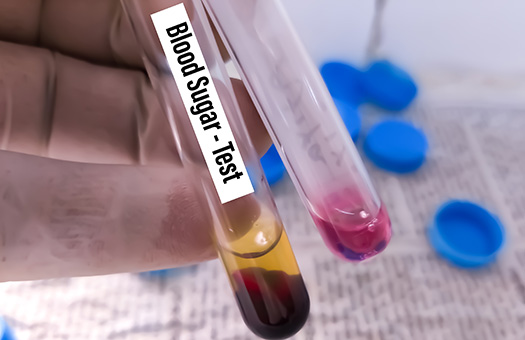
What Is Diabetes?

Diabetes is a condition that happens when the body is not able to properly regulate blood sugar (glucose) levels. This happens because of two reasons. Either due to insufficient insulin production in your body or the body’s inability to effectively use insulin. When the body is unable to do it, then that is where the real problem starts. There are two main types of diabetes: Type 1 diabetes and Type 2 diabetes. Type 1 diabetes is mostly diagnosed in childhood and having an autoimmune response that kills insulin-producing cells in the pancreas. Type 2 diabetes is common in adults and is often associated with factors based on lifestyle and insulin resistance. The role of a blood sugar test is important in diagnosing and managing diabetes by the time. It helps monitor blood glucose levels, allowing individuals to take necessary action before the situation gets worse.
What Is the Blood Sugar (Glucose) Random Test Used For?
The blood sugar test is primarily used to diagnose and monitor diabetes. If you have symptoms of high blood sugar, such as increased thirst, frequent urination, or unexplained weight loss, a blood glucose test can help determine whether diabetes is the cause.
Is the Blood Sugar (Glucose) Random Test the Same as the Blood Sugar (Glucose) Fasting Test?
No, the blood sugar (glucose) random test is not the same as the fasting blood sugar test. While both tests measure blood sugar levels, they are done at different times and under different conditions.
The fasting blood sugar test is often used to diagnose diabetes, while the blood sugar (glucose) random test is used to monitor and evaluate blood glucose fluctuations.
What Does The Results Mean?
| Blood Sugar Levels | RESULT | INTERPRETATION |
|---|---|---|
| Below 70 mg/dL | Low (Hypoglycemia) | Low blood sugar, which can cause symptoms like dizziness, confusion, and shakiness. Requires immediate attention. |
| 70–140 mg/dL | Normal | Normal blood sugar range for a healthy individual. Blood glucose is being effectively regulated. |
| 140–199 mg/dL | Prediabetes | Indicates an increased risk of developing type 2 diabetes. Lifestyle changes such as diet and exercise may help. |
| 200 mg/dL or higher | Diabetes | A blood glucose level of 200 mg/dL or higher suggests the possibility of diabetes. Further testing (like A1C or fasting test) may be needed to confirm the diagnosis. |
Preparation required for Blood Sugar (Glucose) Random Test
These are the main pointers for preparing for a blood sugar (glucose) random test. Since it’s a random test, it’s a flexible option for monitoring your blood glucose levels, but keeping these tips in mind can help ensure accurate results.
What Is the Blood Sugar (Glucose) Random Test?
A blood sugar (glucose) random test is a test that measures and identifies the amount of glucose in your blood at any given time. Unlike the fasting blood sugar test, which requires you to fast for at least 8 hours before the test, a random blood sugar test can be done at any time of the day, regardless of when you last ate. This test provides an immediate snapshot of your blood sugar levels. The blood glucose test is essential for diagnosing conditions like diabetes, prediabetes, and hypoglycemia. It’s a simple, effective way for doctors to assess whether your body is properly regulating glucose levels.
Why Take A Blood Sugar Test?
It’s important to take a blood sugar test regularly, especially if you are at risk for diabetes, as it helps detect irregularities in glucose levels early on. If you already have diabetes, regular testing can help manage the condition by allowing for timely adjustments in your treatment plan. Tests like the fasting blood sugar test and blood glucose test are used to track blood sugar over time, providing important insights into your overall health.
What Does The Blood Sugar (Glucose) Random Test Measure?
The blood sugar (glucose) random test measures the concentration of glucose in your blood. Glucose is a key source of energy for your body, and maintaining proper blood sugar levels is vital for health. If your blood glucose levels are consistently too high or too low, it may indicate an underlying condition, such as diabetes or hypoglycemia.
Book a Blood Sugar (glucose) Random Test
| City Name | Price (₹) | |
|---|---|---|
| Delhi - NCR | ₹40 | |
| Chandigarh | ₹30 | |
| Patna | ₹50 | |
| Jaipur | ₹50 | |
| Lucknow | ₹50 | |
| Mumbai | ₹50 | |
| Hyderabad | ₹60 | |
| Dehradun | ₹60 | |
| Bangalore | ₹60 | |
| Thiruvananthapuram | ₹60 | |
| Kolkata | ₹70 | |
| Chennai | ₹70 | |
| Raipur | ₹70 | |
| Shimla | ₹70 | |
| Bhopal | ₹70 | |
| Panaji | ₹70 | |
| Srinagar | ₹70 | |
| Pondicherry | ₹70 | |
| Jammu | ₹80 | |
| Ranchi | ₹80 | |
| Agartala | ₹80 | |
| Gandhinagar | ₹80 | |
| Dispur | ₹100 | |
| Bhubaneswar | ₹100 |
Frequently Asked Questions/FAQs
1. What is a blood sugar (glucose) random test?
A blood sugar (glucose) random test measures your blood glucose (sugar) level at any time during the day, without the need for fasting. It is used to check your body's ability to manage blood sugar and to diagnose conditions like diabetes.2. What is the difference between a random blood sugar test and a fasting blood sugar test?
The key difference is that the random blood sugar test can be done at any time, while the fasting blood sugar test requires you to fast for at least 8 hours before the test. Fasting blood sugar provides an indication of how your body manages glucose after a period of fasting.3. What does a random blood sugar level of 200 mg/dL or higher mean?
A result of 200 mg/dL or higher suggests the possibility of diabetes. If your result is this high, your doctor may recommend further testing, such as a fasting blood sugar test or an A1C test, to confirm the diagnosis.4. Is a blood sugar (glucose) random test the only test I need for diabetes?
While a Blood Sugar (Glucose) Random Test can help diagnose diabetes, your healthcare provider may also recommend other tests such as the A1C test, Fasting Blood Sugar Test, or Oral Glucose Tolerance Test (OGTT) to confirm the diagnosis and assess your overall blood sugar control.5. What is the cost of a blood sugar test?
The Blood Sugar Test charges can vary depending on the testing facility and location. On average, the Blood Sugar Test price ranges from ₹100 to ₹500 in India. It’s recommended to check with local labs for specific charges.6. What are the symptoms of high blood sugar?
Symptoms of high blood sugar include increased thirst, frequent urination, blurry vision, fatigue, and slow-healing sores. If you notice any of these symptoms, it’s advisable to get a blood sugar test to assess your glucose levels.7. Can stress affect my blood sugar level during the test?
Yes, stress can affect your blood sugar levels by causing them to rise temporarily. If you're under significant stress or anxiety before the test, it might influence your results. It’s important to stay as relaxed as possible during the test.8. Can I eat before the blood sugar (glucose) random test?
Yes, you can eat before the Blood sugar (glucose) random test since it does not require fasting. However, it is recommended to avoid eating large amounts of sugary or high-carbohydrate foods immediately before the test to ensure accurate results.9. Can dehydration affect the results of a blood sugar (glucose) random test?
Yes, dehydration can lead to falsely high blood sugar readings. It is important to stay hydrated before taking the test. Drinking water will help ensure accurate results and prevent any dehydration-related influences on your blood glucose levels.
Packages With Above Test
Name
Test Details
Price
Antenatal Screening
Tests Included: 54
click for details
D.G.D Advance Health Check Package
Tests Included: 74
click for details
Executive Health checkup package (Male)
Tests Included: 73
click for details
TPL Fatigue Panel
Tests Included: 50
click for details
Flebo In Advance Senior Package (Male)
Tests Included: 54
click for details
Full Body Check-up + Anti- SARS COV-2 IgG
Tests Included: 57
click for details
Executive Whole Body Check up (Male)
Tests Included: 73
click for details
Executive Whole Body Check up (Male)
Tests Included: 73
click for details
Executive Whole Body Check up (Male)
Tests Included: 73
click for details
Executive Whole Body Check up (Male)
Tests Included: 73
click for details
Conclusion
In conclusion, the blood sugar (glucose) random test is an important test that diagnose and manages blood sugar levels and provides important insights into the state of your glucose metabolism at any time of the day. No matter if you are looking to monitor your blood sugar levels for diabetes, prediabetes, or overall health management, this test can serve as an initial yet important step in identifying issues and guiding further investigation or treatment. While a blood sugar (glucose) random test provides useful information, it is often supplemented by other tests like the fasting blood sugar test or A1C test for a bigger picture of your health. With proper preparation, this test can help to keep better control of your blood sugar levels and necessary precautions in incase any abnormal levels are found. In case you are thinking of getting a blood sugar test, whether at home or planning to get it done through a lab, make sure to consult with a healthcare provider or any lab technician who can guide you through the process and help interpret the results accurately.
Blood Sugar (glucose) Random Test Price in Different Cities