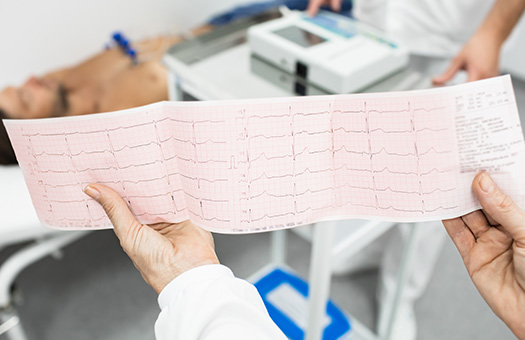
What Is an ECG Test?

An ECG test (electrocardiogram) is an effective diagnostic procedure which is used to check the electrical activity of the heart function. It checks whether your heart is functioning correctly or not. It helps identify the various heart-related conditions by recording the heart's rhythm or beat and electrical impulses through electrodes attached to the skin of a human being.
Another Name for ECG Test
The ECG test is also commonly known as the electrocardiogram or EKG test a variation based on the German spelling Elektrokardiogramm. Both terms are used interchangeably in medical settings.
Risk Associated With ECG Test
An ECG examination is completely safe and painless. There are no risks associated with the procedure itself. However, in rare cases, people with sensitive skin might experience mild irritation or redness from the electrode pads. Considering how accessible it is, you can easily search for ECG test near me and book at your nearest lab or opt for online ECG test booking for faster service.
Procedure Of ECG Test
The ECG test procedure is simple and quick, usually completed within 5–10 minutes. Whether performed at a diagnostic center or through an ECG test home service, the process follows a few standard steps designed to ensure accuracy and comfort.
Why Take An ECG Test?
If you are or have been experiencing not so usual symptoms such as chest discomfort, shortness of breath, or palpitations in your body, then your doctor may advise you to take an ECG examination. This test is important for the detection of heart issues early and the prevention of severe heart conditions. Many people opt for online ECG test booking today for convenience and quick access. Whether it’s for routine check-ups or emergency screening, an ECG test for heart problems can help save lives through early diagnosis.
Interpretation of ECG Test Results
| Parameter | Normal ECG Result | Abnormal ECG Result |
|---|---|---|
| Heart Rate | 60 to 100 beats per minute (bpm) | Too fast (>100 bpm - tachycardia) or too slow (0.12 seconds) – may suggest a bundle branch block or ventricular issue |
| ST Segment | Flat and level with the baseline | Elevated or depressed ST segment – may indicate heart attack or ischemia |
| T Wave | Upright and symmetrical | Inverted or peaked T waves – may suggest electrolyte imbalance or ischemia |
| QT Interval | Normal duration based on age and sex | Prolonged QT interval – may indicate risk of sudden cardiac arrest |
| Overall Interpretation | No signs of heart damage or electrical abnormality | May indicate past heart attack, heart enlargement, or other cardiac issues |
What Is An ECG Test Used For?
An ECG test for heart problems is one of the most frequently recommended tests by cardiologists. It helps:
What Does An ECG Test Measure?
An ECG test evaluates the heart's electrical activity by measuring:
Why Book ECG Test Online?
Book a ECG Test
| City Name | Price (₹) | |
|---|---|---|
| Delhi - NCR | ₹200 | |
| Kolkata | ₹200 | |
| Chennai | ₹200 | |
| Hyderabad | ₹200 | |
| Mumbai | ₹200 | |
| Bangalore | ₹200 | |
| Gandhinagar | ₹200 | |
| Thiruvananthapuram | ₹200 | |
| Jaipur | ₹250 | |
| Lucknow | ₹250 | |
| Dehradun | ₹300 | |
| Patna | ₹500 | |
| Chandigarh | ₹500 | |
| Raipur | ₹500 | |
| Ranchi | ₹500 | |
| Agartala | ₹500 | |
| Pondicherry | ₹500 |
Frequently Asked Questions/FAQs
1. What is an ECG test?
An ECG test, also known as an electrocardiogram, is a diagnostic test that records the electrical activity of the heart. It helps detect heart conditions like arrhythmias, heart attacks, and other heart-related issues.2. What is the other name for ECG test?
Another name for an ECG test is EKG test. Both refer to the same procedure—“EKG” comes from the German spelling Elektrokardiogramm.3. Why should I take an ECG test?
You should take an ECG test for heart problems if you're experiencing symptoms like chest pain, shortness of breath, palpitations, or dizziness. It’s also recommended as part of routine checkups, especially if you have a family history of heart disease.4. Is the ECG test painful?
No, the ECG test is completely painless and non-invasive. It only involves placing small electrode patches on your chest, arms, and legs.5. What happens if my ECG test results are abnormal?
Abnormal ECG test results may indicate issues like irregular heartbeat, heart attack, or structural heart problems. Your doctor may suggest additional tests or treatments based on the findings.6. Who should take an ECG test?
Anyone with symptoms like chest pain, fatigue, irregular heartbeat, or high blood pressure should consider an ECG test for heart problems. It is also useful for people with diabetes, obesity, or a sedentary lifestyle.7. Can I get an ECG test at home?
Yes, many labs now offer ECG test home service, where a trained technician visits your home with a portable ECG machine, ensuring comfort and convenience.8. Is fasting required before an ECG test?
No, fasting is not required for a standard ECG test. However, always follow your doctor’s instructions in case it’s combined with other tests.9. Can I do physical activity after the ECG test?
Yes, since the ECG test is non-invasive and painless, you can resume your normal activities immediately after the test.
Conclusion
An ECG test is a simple yet powerful tool to monitor your heart’s health. Whether you’re experiencing symptoms or simply taking preventive measures, this test can help detect early signs of heart conditions like arrhythmias, heart attacks, and other cardiac abnormalities. With the increasing availability of ECG test home service, getting your heart checked has never been more convenient. Thanks to digital platforms, you can now find an ECG test near me, compare ECG test price, and even opt for online ECG test booking in just a few clicks. This makes it easier for people of all ages to prioritize heart health without the hassle of visiting a clinic. If you’re worried about heart-related issues or have been advised by a doctor, don’t delay. Choose the right lab, book your ECG test for heart problems, and take the first step toward better health. With services like ECG test online booking and doorstep testing, early detection and timely action are now at your fingertips.