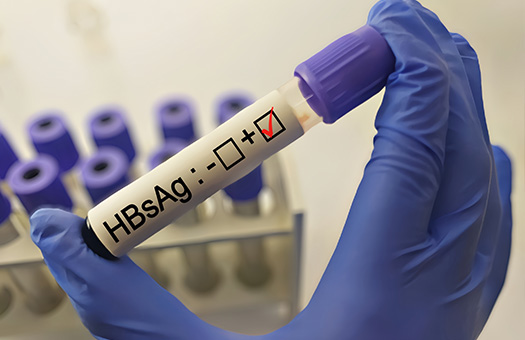
HBsAg (Hepatitis B Surface Antigen) Test: Everything You Need to Know

Hepatitis B is a viral infection which is serious and affects the liver badly. A commonly used diagnostic tool for detecting this infection is the HBsAg (hepatitis B surface antigen) test. This test helps know if there is any existence in the blood of the hepatitis B virus (HBV) and it also confirms that in case someone is infected with it or carrying the virus in their bodies so that the medical experts can start the treatment within the time. In this article, we will explore what the HBsAg test is, its purpose, procedure, and more, so you can understand why this test is essential for detecting hepatitis B.
What Is HBsAg (Hepatitis B Surface Antigen) Test Used For?
The HBsAg blood test is used to identify if the person has been caught by the hepatitis B virus. It is useful in multiple scenarios, which include
When is an HBsAg (Hepatitis B Surface Antigen) Test Performed?
The HBsAg screening test is typically recommended in the following situations:
What Is HBsAg (Hepatitis B Surface Antigen) Test?
The HBsAg test, also known as the hepatitis B surface antigen test, checks the involvement and presence of the hepatitis B surface antigen in the blood. This antigen is a protein on the surface of the hepatitis B virus (HBV). Its presence in the bloodstream shows that a person is presently infected with HBV. While a hepatitis B surface antigen test can confirm the infection, it also helps monitor if the infection is acute or chronic. A positive result suggests that the virus is active in the body, and further tests might be required to determine the stage of infection.
Interpretation of Results
| HBsAg Test Results |
|---|
| Result |
Risk Associated with HBsAg (Hepatitis B Surface Antigen) Test
The HBsAg (Hepatitis B Surface Antigen) test is a safe and routine procedure with minimal risks. However, as with any blood test, there are a few potential risks associated with the process. The primary risk is discomfort or mild pain at the site where the needle is inserted. In some cases, there may be slight bruising, swelling, or tenderness around the puncture site, but these are usually temporary and resolve within a few days. Rarely, there may be a risk of infection if proper hygiene and sterilization procedures aren’t followed during the blood draw. There is also a very small chance of fainting or feeling lightheaded during or after the blood collection. It’s important to note that these risks are minimal, and serious complications are extremely rare. Overall, the HBsAg test is considered a safe diagnostic tool for detecting hepatitis B infection, and the benefits of early detection far outweigh these minor risks.
Why Take an HBsAg (Hepatitis B Surface Antigen) Test?
The HBsAg test is important and taking this test is useful because hepatitis B can be asymptomatic, meaning that the person may carry the virus without showing symptoms. If it is not treated in time, then hepatitis B can lead to serious liver damage, cirrhosis, or even liver cancer which is very dangerous or could be life-threatening. Routine screening by booking the HBsAg test helps identify the virus early, and it allows the timely line of treatment if needed based on the HBsAg results.
Procedure of HBsAg (Hepatitis B Surface Antigen) Test
Book a HBsAg Test
| City Name | Price (₹) | |
|---|---|---|
| Delhi - NCR | ₹200 | |
| Kolkata | ₹225 | |
| Chennai | ₹225 | |
| Hyderabad | ₹225 | |
| Patna | ₹225 | |
| Chandigarh | ₹225 | |
| Raipur | ₹225 | |
| Jammu | ₹225 | |
| Ranchi | ₹225 | |
| Jaipur | ₹225 | |
| Lucknow | ₹225 | |
| Dehradun | ₹225 | |
| Mumbai | ₹225 | |
| Bangalore | ₹225 | |
| Agartala | ₹225 | |
| Gandhinagar | ₹225 | |
| Srinagar | ₹225 | |
| Shimla | ₹450 | |
| Bhopal | ₹450 | |
| Panaji | ₹450 | |
| Pondicherry | ₹450 | |
| Thiruvananthapuram | ₹530 |
Frequently Asked Questions (FAQs)
1. What is the HBsAg test?
The HBsAg test, also known as the Hepatitis B Surface Antigen test, is a blood test used to detect the presence of hepatitis B virus (HBV) in the body. It helps diagnose both acute and chronic hepatitis B infections.2. Is the HBsAg test the same as the Hepatitis B test?
The HBsAg test is a specific type of hepatitis B test that detects surface antigens of the virus. While the term 'hepatitis B test' may refer to a group of tests, the HBsAg test focuses solely on identifying active infection.3. When should I get the HBsAg screening test?
You should consider taking the HBsAg screening test if you experience symptoms of hepatitis B (such as fatigue, jaundice, or abdominal pain), have been exposed to infected blood or body fluids, or belong to a high-risk group such as healthcare workers or people with multiple sexual partners.4. What is the normal range of HBsAg test?
In general, a result of less than 0.05 IU/mL is considered negative and falls within the HBsAg test normal range. A positive result means the hepatitis B surface antigen is present, indicating an active infection.5. What does a positive HBsAg test mean?
A positive HBsAg test result indicates that you are currently infected with the hepatitis B virus (HBV) and can potentially transmit it to others. Additional tests may be required to determine if the infection is acute or chronic.6. Can I take the HBsAg test at home?
You can book an HBsAg blood test from the comfort of your home. A certified phlebotomist will collect the sample at your doorstep and deliver the report online.7. Can the HBsAg test detect a past infection?
No, the HBsAg test detects current infection. To detect past infection or immunity (due to recovery or vaccination), other tests like anti-HBs (hepatitis B surface antibody) are used alongside.8. What happens if the HBsAg test is positive during pregnancy?
If a pregnant woman tests positive in the HBsAg screening test, steps are taken to prevent transmission to the baby. Newborns are given the hepatitis B vaccine and HBIG (hepatitis B immune globulin) within 12 hours of birth.9. Can vaccination affect HBsAg test results?
No, the HBsAg test detects surface antigen, not antibodies. A recent hepatitis B vaccination won’t cause a positive HBsAg result, but it may result in a positive anti-HBs result.
Packages With Above Test
Name
Test Details
Price
Antenatal Screening
Tests Included: 54
click for details
D.G.D Pre-Marriage Package
Tests Included: 24
click for details
Jaanch STD Profile Basic
Tests Included: 0
click for details
Wellwise Platinum
Tests Included: 58
click for details
Wellwise Platinum
Tests Included: 58
click for details
Wellwise Platinum
Tests Included: 58
click for details
Wellwise Platinum
Tests Included: 58
click for details
Wellwise Platinum
Tests Included: 58
click for details
DGL Health Package 1
Tests Included: 48
click for details
Major Surgical Package
Tests Included: 22
click for details
Conclusion
The HBsAg test is a crucial diagnostic tool for identifying a current infection of the hepatitis B virus (HBV). Whether you're experiencing symptoms, belong to a high-risk group, or need the test for employment or medical purposes, early detection through an HBsAg blood test can help prevent serious complications like liver damage, cirrhosis, or liver cancer. Understanding the HBsAg test normal range, knowing when to take the test, and interpreting the results with a healthcare professional are key steps in protecting your liver health. With the increasing availability of home sample collection services, getting a Hepatitis B surface antigen test is now more accessible than ever. At Flebo.in, you can book your HBsAg screening test online, compare labs, and view the HBsAg test cost to find the most convenient and affordable option for you. Don’t ignore the warning signs—get tested early and stay informed. A simple Hepatitis B test today can help you take control of your health tomorrow.
HBsAg Test Price in Different Cities