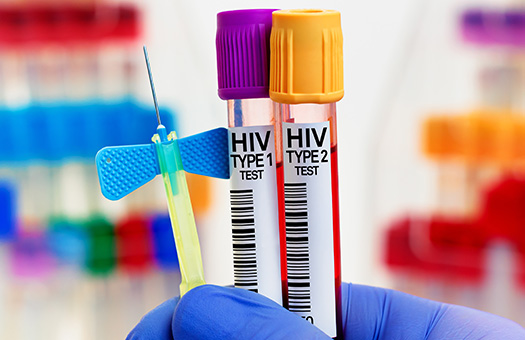
HIV-1 and HIV-2 Antigen Test: Early Detection for Timely Action

Human immunodeficiency virus (HIV) is a life-changing infection that makes your immune system weak, and if it is left untreated then it can lead to acquired immunodeficiency syndrome (AIDS). The HIV-1 and HIV-2 antigen test are modern tests that enable detection in the early stage, which is important for treatment which is effective and management by the time.
What Is The HIV-1 and HIV-2 Antigen Test?
The HIV-1 and HIV-2 antigen test is a modern diagnostic blood test that detects the presence of both HIV-1 and HIV-2 infections. It is a test category which is considered part of the HIV fourth generation, which is more advanced and accurate in comparison to earlier HIV testing methods. The two key markers in the blood, the test reorganises them, which are:
By combining the detection of antigen and antibody, the HIV-1 and HIV-2 screening shortens the window period, which is the time between exposure and detectable infection. This makes it an essential tool for early diagnosis, especially in people who may not yet show symptoms. Unlike older generation tests that only detected antibodies (which can take up to 12 weeks to appear), this HIV combo test can detect infections earlier—enabling timely treatment and better disease management. It is particularly useful in clinical settings, pre-surgical evaluations, and screening programs offered by healthcare platforms that aim for fast, accurate diagnostics.
What Is The HIV-1 and HIV-2 Antigen Test Used For?
The HIV-1 and HIV-2 screening test are used to:
What Do HIV-1 and HIV-2 Antigen Tests Measure?
The test measures:
This allows for earlier detection than traditional antibody-only tests.
Interpretation of Results
| TEST RESULT | INTERPRETATION |
|---|---|
| Negative | No HIV antigen or antibodies detected |
| Positive for p24 | Possible early HIV infection (antigen present) |
| Positive for antibodies | Established HIV infection (HIV-1 or HIV-2) |
| Indeterminate | Needs retesting or further confirmatory testing |
HIV-1 and HIV-2 Antigen Test Procedure
The HIV-1 and HIV-2 antigen test procedure is simple, straightforward, safe, and normally performed in a clinical or diagnostic lab setting. It involves the following steps:
Another Name for HIV-1 and HIV-2 Antigen Test
The test is also known as:
Why Take an HIV-1 And HIV-2 Antigen Test?
Taking the HIV-1 and HIV-2 antigen tests is important for detection in the early stage of the virus, evenbefore symptoms appear. It allows individuals to allow early diagnosis via the HIV antigen and antibodytest, which begins treatment sooner that can significantly reduce the risk of developing severe healthcomplications. Additionally, detection in the early stage can help prevent the spread of HIV to others byenabling individuals to take necessary precautions by the time. With timely detection, health outcomeswhich are long term can be vastly improved, as antiretroviral therapies (ART) can help manage the viruseffectively. Knowing the status of your HIV can give you the power to make informed decisions aboutyour lifestyle, healthcare, and relationships so that you can ensure better control over your health andwell-being.
When Is An HIV-1 and HIV-2 Antigen Test Performed?
After potential exposure to the virus, the HIV-1 and HIV-2 antigen test is usually recommended 2 to 6 weeks later, as it can identify infection earlier than traditional methods. It is an advanced test which helps people to understand the results so that they can take necessary steps in order to stay fit. This HIV blood test is also performed as part of regular health screenings, mostly for people whose risk is higher due to unprotected sex, multiple partners, or needle sharing. It is commonly advised during pregnancy to prevent mother-to-child transmission and may also be required before surgeries or blood donations. If someone's body develops symptoms such as fever, fatigue, rash, or sore throat following a possible exposure, the HIV antigen and antibody test helps in the early and accurate detection of the virus.
Book a HIV-1 and HIV-2 Antigen Test
| City Name | Price (₹) | |
|---|---|---|
| Delhi - NCR | ₹200 | |
| Hyderabad | ₹225 | |
| Chandigarh | ₹250 | |
| Kolkata | ₹300 | |
| Jaipur | ₹300 | |
| Dehradun | ₹350 | |
| Patna | ₹400 | |
| Chennai | ₹450 | |
| Raipur | ₹450 | |
| Jammu | ₹450 | |
| Ranchi | ₹450 | |
| Bhopal | ₹450 | |
| Lucknow | ₹450 | |
| Mumbai | ₹450 | |
| Bangalore | ₹450 | |
| Gandhinagar | ₹450 | |
| Panaji | ₹450 | |
| Agartala | ₹480 | |
| Srinagar | ₹480 | |
| Pondicherry | ₹600 | |
| Shimla | ₹650 | |
| Thiruvananthapuram | ₹1100 | |
| Dispur | ₹3200 | |
| Bhubaneswar | ₹3200 |
Frequently Asked Questions (FAQs)
1. What is the HIV-1 and HIV-2 antigen test?
The HIV-1 and HIV-2 antigen test is a HIV fourth-generation test that detects both the p24 antigen (an early marker of HIV-1) and antibodies to HIV-1 and HIV-2. It helps in diagnosing HIV at an earlier stage than older tests.2. When should I take an HIV blood test?
You should take an HIV blood test 2 to 6 weeks after possible exposure, during routine screenings, pregnancy, or if you experience symptoms such as fatigue, rash, or sore throat post-exposure.3. How is the HIV combo test different from older HIV tests?
The HIV combo test—also known as the HIV fourth-generation test—detects both antigens and antibodies, allowing it to identify infections sooner than tests that detect antibodies alone.4. Can this test differentiate between HIV-1 and HIV-2?
Yes, this test helps identify the type of virus present. Understanding the difference between HIV-1 and HIV-2 testing is important, as the two types respond differently to treatment.5. What should I do after a positive HIV-1 and HIV-2 antigen test result?
If your test result is positive, consult a healthcare provider immediately for confirmatory testing and treatment guidance. Early diagnosis improves health outcomes and helps prevent transmission.6. Is the HIV-1 and HIV-2 screening test confidential?
Yes, the HIV-1 and HIV-2 screening test is completely confidential. Labs follow strict protocols to protect patient identity and medical information.7. Can the HIV antigen p24 test detect HIV immediately after exposure?
The HIV antigen p24 test can usually detect infection as early as 2 weeks after exposure, but it may not detect the virus immediately. Follow-up testing is often recommended.8. Is the HIV combo test suitable for pregnant women?
Yes, the HIV combo test is commonly used during pregnancy to screen for early HIV infection and prevent transmission to the baby. It’s a routine part of prenatal care.9. Will a single HIV blood test always detect HIV?
Not always. If done too early, the virus might not be detected. That’s why HIV fourth-generation tests are recommended for their ability to detect early infections, and repeat testing may be needed for confirmation.
Packages With Above Test
Name
Test Details
Price
Antenatal Screening
Tests Included: 54
click for details
D.G.D Pre-Marriage Package
Tests Included: 24
click for details
TPL Bride Panel
Tests Included: 2
click for details
PACKAGE - 4
Tests Included: 62
click for details
CML General Health Check-Up
Tests Included: 38
click for details
Conclusion
The HIV-1 and HIV-2 antigen test is a crucial tool for early and accurate detection of HIV infection. As a HIV fourth-generation test, it helps identify both the p24 antigen and antibodies, allowing timely diagnosis and treatment. Whether you're undergoing routine screening, responding to possible exposure, or planning pregnancy, this HIV combo test offers reliable results with minimal risk. Understanding the difference between HIV-1 and HIV-2 testing ensures that individuals receive appropriate care and management. By choosing a trusted provider for your HIV antigen and antibody test or HIV blood test, you take an informed step toward better health and a safer future. Prioritise your well-being—book a HIV-1 and HIV-2 screening test today and stay ahead with early detection.
HIV-1 and HIV-2 Antigen Test Price in Different Cities