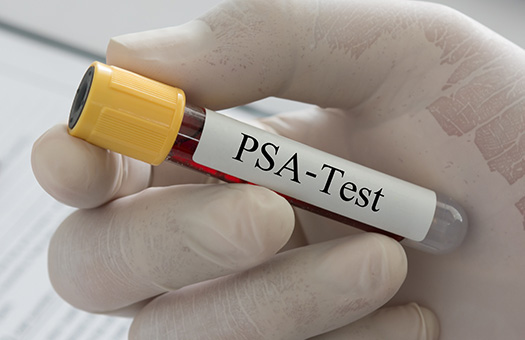
What Is Prostate Specific Antigen (PSA) - Total Test?

The prostate specific antigen (PSA) test is a type of blood test which measures the level of PSA, a protein which is produced by the prostate gland. PSA is present in small quantities in healthy people however, it may spike due to prostate conditions such as benign prostatic hyperplasia (BPH), inflammation, or prostate cancer present in your body. This test plays an important role in checking and monitoring prostate health, and it also helps in the detection of early stage prostate cancer so that a person can catch the issues before it they worsen. If PSA levels are increased, then further diagnostic tests, like a biopsy, might be recommended to understand the cause.
What Is the PSA Total Test Used For?
The PSA total test is an important test for prostate health checking and monitoring. It is primarily used for:
1. Screening For Prostate Cancer
2. Monitoring Prostate Health
3. Assessing Treatment Effectiveness In Prostate Cancer Patients
4. Detecting Cancer Recurrence
5. Evaluating PSA Trends Over Time
6. Personalised Screening Decisions
Why Take A Prostate Specific Antigen (PSA) - Total Test?
The PSA blood test is an essential tool for detecting and monitoring prostate health. It helps identify prostate cancer early, tracks high-risk individuals, manages prostate conditions, and monitors recovery post-treatment.
What Does The Prostate Specific Antigen (PSA) - Total Test Measure?
The PSA blood test measures the total amount of prostate-specific antigen (PSA) present in your bloodstream. Basically, PSA is a protein produced by the prostate gland. The small amounts are normal, but the increased levels may indicate prostate cancer like benign prostatic hyperplasia (BPH) or prostatitis. To improve the accuracy and to understand the actual condition, doctors check different PSA components, including:
PSA Test vs. PSA Total Test: Understanding the Differences
| Criteria | PSA Test | PSA Total Test |
|---|---|---|
| Definition | Measures overall PSA in the blood, including free and bound PSA. | Specifically refers to the total PSA level in the blood, without distinguishing between free and bound PSA. |
| Components Measured | Can include total PSA, free PSA, and PSA ratio if specified. | Only measures total PSA levels. |
| Usage | Used for prostate cancer screening, monitoring prostate health, and assessing risk factors. | Primarily used as a general screening tool to detect abnormalities. |
| Accuracy in Cancer Detection | Total PSA alone may not always indicate cancer risk accurately. Free PSA ratio helps improve accuracy. | Less specific in distinguishing between benign conditions and cancer compared to free PSA analysis. |
| When It’s Recommended | If PSA levels are high, doctors may order a free PSA test to differentiate between cancer and benign conditions. | Often the first test conducted when checking for prostate-related issues. |
| Best For | People needing more detailed risk assessment of prostate conditions. | General screening for prostate health and initial diagnosis. |
Normal And Abnormal Range For PSA Total Test
The PSA total test measures the level of prostate-specific antigen (PSA) in the blood. PSA levels can vary based on age, medical history, and overall prostate health. Below is a general guide to normal and abnormal PSA levels:
| Criteria | PSA Test | PSA Total Test |
|---|---|---|
| Definition | Measures overall PSA in the blood, including free and bound PSA. | Specifically refers to the total PSA level in the blood, without distinguishing between free and bound PSA. |
| Components Measured | Can include total PSA, free PSA, and PSA ratio if specified. | Only measures total PSA levels. |
| Usage | Used for prostate cancer screening, monitoring prostate health, and assessing risk factors. | Primarily used as a general screening tool to detect abnormalities. |
| Accuracy in Cancer Detection | Total PSA alone may not always indicate cancer risk accurately. Free PSA ratio helps improve accuracy. | Less specific in distinguishing between benign conditions and cancer compared to free PSA analysis. |
| When It’s Recommended | If PSA levels are high, doctors may order a free PSA test to differentiate between cancer and benign conditions. | Often the first test conducted when checking for prostate-related issues. |
| Best For | People needing more detailed risk assessment of prostate conditions. | General screening for prostate health and initial diagnosis. |
Is The PSA Test Recommended for Prostate Cancer Screening?
The PSA cancer test is a widely used screening tool for prostate cancer, but its necessity varies based on age, risk factors, and overall health. While it can help detect prostate cancer early, doctors often consider an individual’s medical history and risk level before recommending routine screening.
Book a PSA total Test
| City Name | Price (₹) | |
|---|---|---|
| Delhi - NCR | ₹440 | |
| Chandigarh | ₹400 | |
| Chennai | ₹450 | |
| Hyderabad | ₹500 | |
| Jaipur | ₹500 | |
| Kolkata | ₹599 | |
| Patna | ₹599 | |
| Raipur | ₹599 | |
| Jammu | ₹599 | |
| Ranchi | ₹599 | |
| Bhopal | ₹599 | |
| Lucknow | ₹599 | |
| Dehradun | ₹599 | |
| Mumbai | ₹599 | |
| Bangalore | ₹599 | |
| Gandhinagar | ₹599 | |
| Panaji | ₹599 | |
| Pondicherry | ₹599 | |
| Agartala | ₹655 | |
| Srinagar | ₹655 | |
| Shimla | ₹800 | |
| Dispur | ₹800 | |
| Thiruvananthapuram | ₹800 | |
| Bhubaneswar | ₹800 |
Frequently Asked Questions/FAQs
1. What is a PSA Total Test?
The PSA total test is a blood test that measures the levels of prostate-specific antigen (PSA) in the blood. PSA is a protein produced by the prostate gland, and its levels can indicate prostate health, including conditions like prostate cancer, benign prostatic hyperplasia (BPH), and prostatitis.2. Who should take a PSA test?
Men over 50 years old are generally advised to take a PSA test as part of routine prostate cancer screening. However, individuals with a family history of prostate cancer, African-American men, or those experiencing urinary symptoms should consider testing earlier, around 40-45 years old.3. Is a PSA test used to diagnose prostate cancer?
The PSA cancer test is not a definitive diagnostic tool for prostate cancer. It helps identify abnormal PSA levels, which may indicate cancer, an enlarged prostate, or infection. If PSA levels are high, additional tests like a free PSA test, MRI, or biopsy may be needed for confirmation.4. How is the PSA blood test performed?
The PSA blood test involves drawing a small blood sample from a vein, typically in the arm. The sample is then sent to a diagnostic lab for analysis, with results usually available within 24-48 hours.5. Can a high PSA level mean something other than cancer?
Yes, an elevated PSA does not always mean prostate cancer. Other conditions like BPH (enlarged prostate), prostatitis (prostate inflammation), urinary infections, or recent prostate stimulation can also raise PSA levels. Further medical evaluation is needed to determine the exact cause.6. Is the PSA test painful?
The PSA blood test is a simple blood draw and causes minimal discomfort, similar to any routine blood test. Some people may experience slight bruising or soreness at the puncture site.7. How can I lower my PSA levels naturally?
Maintaining a healthy diet rich in fruits, vegetables, and omega-3 fatty acids, reducing red meat and dairy consumption, exercising regularly, and staying hydrated may help maintain normal PSA levels. Managing conditions like prostatitis and BPH can also prevent temporary PSA spikes.8. What is the difference between a PSA total test and a free PSA test?
The PSA total test measures the overall amount of PSA in the blood, including both free PSA and PSA bound to proteins. The free PSA test specifically measures the unbound PSA. A lower percentage of free PSA may indicate a higher risk of prostate cancer.9. Can women take a PSA test?
The PSA test is specific to men since the prostate gland produces PSA. However, very small amounts of PSA can be found in women’s blood, usually due to conditions like breast cancer or ovarian cancer, though PSA testing is not commonly used for women.
Packages With Above Test
Name
Test Details
Price
Augmentum Complete Care Male
Tests Included: 94
click for details
D.G.D Gold Health Check Package (Male)
Tests Included: 79
click for details
Super Advance Full Body Checkup (Male)
Tests Included: 89
click for details
Executive Health checkup package (Male)
Tests Included: 73
click for details
AAROGYAM (Male)
Tests Included: 88
click for details
TPL Senior Wellness Package, TPL Senior (Male)
Tests Included: 85
click for details
MHL PKJ: 4.0 (Male)
Tests Included: 71
click for details
Wellwise Exclusive (Male)
Tests Included: 55
click for details
Health Screen 5 for (Male)
Tests Included: 78
click for details
Flebo.in Advance Comprehensive Screening Package (Male)
Tests Included: 72
click for details
Conclusion
The PSA total test plays a crucial role in monitoring prostate health, helping detect conditions like benign prostatic hyperplasia (BPH), prostatitis, and prostate cancer. While elevated PSA levels do not always indicate cancer, regular testing is essential for early detection and timely medical intervention. Men over 50 years old, or those with a family history of prostate cancer, should consider routine PSA screening. Understanding PSA levels and consulting a healthcare professional for accurate interpretation is key to making informed health decisions. For convenience, you can opt for a PSA test at home or visit a trusted lab. Book your PSA cancer test online today and stay proactive about your prostate health.