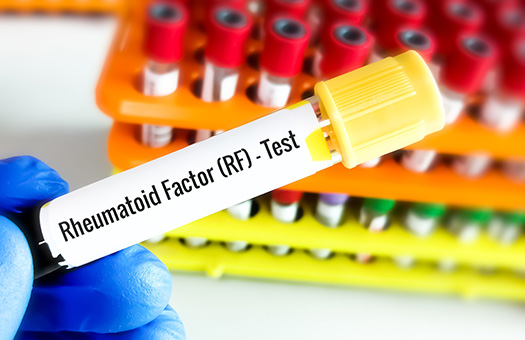
What Is The Rheumatoid Factor (RF) Test?

The rheumatoid factor (RF) test is an important and advanced blood test which identifies the presence of a rheumatoid factor, which is an antibody in the bloodstream. Rheumatoid factor is an autoantibody—an antibody that targets the body’s own tissues instead of harmful invaders like viruses or bacteria. This abnormal immune response is normally related to autoimmune disorders, specifically rheumatoid arthritis (RA). When the immune system identifies the body's healthy tissues by mistake as threats, then it begins to produce these rheumatoid factors. These autoantibodies tend to target immunoglobulin G (IgG), another antibody in the body, leading to inflammation, joint damage, and chronic pain over time. That is why the RF test is considered a cornerstone in the early stage of detection of autoimmune conditions, specifically rheumatoid arthritis diagnosis.
Why Take a Rheumatoid Factor (RF) Test?
Doctors suggest the rheumatoid factor test when patients show symptoms like
The above symptoms mostly indicate early-stage rheumatoid arthritis. The RF test helps in confirming the suspicion and supports rheumatoid arthritis diagnosis within the time, as it enables early intervention and better outcomes.
Interpretation of Rheumatoid Factor (RF) Test Results
| RF LEVEL |
|---|
| RF_LEVEL |
| 0 – 14 |
| 15 – 60 |
| 60+ |
When Is a Rheumatoid Factor (RF) Test Performed?
This test is performed when:
What Does the Rheumatoid Factor (RF) Test Measure?
The RF blood test measures the amount of rheumatoid factor antibody in your bloodstream. High levels may indicate an autoimmune reaction where the immune system is attacking your own body tissues, particularly the joints. This is a key marker in the RF test for rheumatoid arthritis diagnosis.
What Does Rheumatoid Factor (RF) Test Measure?
The RF blood test measures and identifies the amount of rheumatoid factor, which are the antibodies in your bloodstream. Increased levels may show or indicate an autoimmune reaction where your own body is being attacked by your immune system, particularly the joints. This is a key marker in the RF test for rheumatoid arthritis diagnosis.
RF Test Normal Range
The RF test normal range normally falls below 14 IU/mL, but the reference range may vary a little bit based on the lab. Any value above this range may indicate a positive rheumatoid arthritis test, prompting further evaluation.
Procedure of Rheumatoid Factor (RF) Test
The Rheumatoid Factor (RF) test is a straightforward diagnostic blood test that involves minimal preparation and is commonly conducted at hospitals, diagnostic labs, or through home sample collection services
Home Collection Option
For added convenience, book at-home sample collection services for the RF blood test. A trained professional visits your location at your chosen time, collects the sample, and ensures timely delivery to the lab. This option is especially beneficial for patients with joint pain, mobility issues, or those preferring to avoid travel to a clinic. It provides the same reliability and accuracy as a test conducted at a healthcare facility. Risks Associated with Rheumatoid Factor (RF) Test The Rheumatoid Factor (RF) test is generally safe, with minimal risks. The most common side effect is mild bruising or discomfort at the needle insertion site, which usually resolves quickly. Some people may feel dizzy or faint during the blood draw, especially if they have a fear of needles. Though rare, there’s a slight risk of infection at the puncture site, which can be minimised with proper hygiene. If you have a blood clotting disorder, inform your healthcare provider before the test to take necessary precautions. Overall, the RF test is low-risk, and its benefits for diagnosing autoimmune conditions far outweigh the potential side effects.
Book a Rheumatoid Factor Test
| City Name | Price (₹) | |
|---|---|---|
| Delhi - NCR | ₹250 | |
| Hyderabad | ₹280 | |
| Jaipur | ₹300 | |
| Dehradun | ₹350 | |
| Kolkata | ₹399 | |
| Chennai | ₹399 | |
| Patna | ₹399 | |
| Chandigarh | ₹399 | |
| Raipur | ₹399 | |
| Jammu | ₹399 | |
| Ranchi | ₹399 | |
| Bhopal | ₹399 | |
| Lucknow | ₹399 | |
| Mumbai | ₹399 | |
| Bangalore | ₹399 | |
| Gandhinagar | ₹399 | |
| Panaji | ₹399 | |
| Pondicherry | ₹399 | |
| Agartala | ₹420 | |
| Srinagar | ₹420 | |
| Shimla | ₹450 | |
| Dispur | ₹600 | |
| Thiruvananthapuram | ₹600 | |
| Bhubaneswar | ₹600 |
Frequently Asked Questions (FAQs)
1. What is the Rheumatoid Factor test used for?
The Rheumatoid Factor test is primarily used to help diagnose rheumatoid arthritis and other autoimmune conditions. It detects the presence of rheumatoid factor antibodies in the blood, which can indicate abnormal immune system activity.2. What is the normal range for the RF test?
The RF test normal range is typically less than 14 IU/mL (international units per milliliter), but this can vary slightly depending on the lab. Values higher than this may suggest rheumatoid arthritis, though further evaluation is often needed.3. Can I get an RF test done at home?
Yes, you can book a RF blood test from the comfort of your home. A trained phlebotomist will collect your blood sample and deliver it to a certified lab for processing.4. Do I need to fast before taking the RF test?
No fasting is required before taking the RF test, making it easy and convenient to schedule.5. Can I take the RF test during pregnancy?
Yes, the Rheumatoid Factor test is safe to perform during pregnancy. If you're experiencing symptoms like joint pain or swelling, your doctor may recommend it to rule out autoimmune disorders.6. What other tests are done alongside the RF test for rheumatoid arthritis diagnosis?
Doctors often recommend additional tests like Anti-CCP antibodies, C-reactive protein (CRP), Erythrocyte Sedimentation Rate (ESR), and X-rays along with the RF test for rheumatoid arthritis diagnosis to confirm the condition.7. Is there any diet that affects RF levels in the blood?
There is no direct evidence that a specific diet affects RF blood test results. However, a balanced diet rich in anti-inflammatory foods may help manage symptoms in patients with rheumatoid arthritis.8. Do all people with high RF levels have rheumatoid arthritis?
No, high rheumatoid factor test levels can also be found in conditions like lupus, hepatitis, tuberculosis, and even in healthy older adults. That’s why doctors don’t rely solely on this test for a final diagnosis.9. Can lifestyle changes lower rheumatoid factor levels?
Lifestyle changes such as stress management, quitting smoking, and adopting an anti-inflammatory diet won’t directly lower RF levels, but they can help manage symptoms and prevent the progression of rheumatoid arthritis.
Packages With Above Test
Name
Test Details
Price
Arthritis Check Package
Tests Included: 2
click for details
Super Advance Full Body Checkup (Male)
Tests Included: 89
click for details
ARTHRITIS PROFILE - ADVANCED
Tests Included: 62
click for details
Times Smart Fit - 4 (Male)
Tests Included: 84
click for details
Health Screen 5 for
Tests Included: 82
click for details
Health Heart Diagnostics Full Body Profile - 1.4
Tests Included: 86
click for details
Whole Body Checkup 2.0
Tests Included: 90
click for details
Flebo In Gold Senior Package
Tests Included: 72
click for details
Flebo In Gold Senior Package
Tests Included: 72
click for details
BIOCITY TOTAL PACKAGE (Female)
Tests Included: 51
click for details
Conclusion
The rheumatoid factor (RF) test plays an important role in detection in early stages and checking of autoimmune conditions, most importantly rheumatoid arthritis. The drill here is that a single test cannot confirm the disease; it provides valuable insights when used alongside other diagnostic tools. Understanding your RF test normal range, symptoms, and clinical history helps your doctor in making an accurate rheumatoid arthritis diagnosis. If you’re experiencing a few symptoms, such as persistent joint pain, stiffness, or swelling in your body, it is important to get checked via a suitable test, such as the RF test for rheumatoid arthritis diagnosis. Now you can book an RF blood test easily from home and compare lab prices without any hassle, and you can also explore options in affordable ranges based on the rheumatoid factor test cost. It is very important to listen to your body and get tested without ignoring any symptoms. Early testing can help manage symptoms effectively and slow down disease progression. Don’t ignore the signs—take charge of your joint health today with a timely rheumatoid arthritis test.