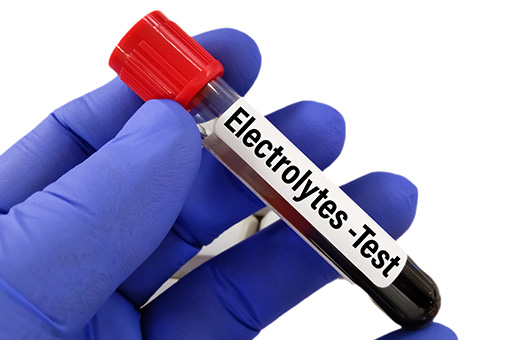
What Is a Serum Electrolytes Test?

A serum electrolytes test is a blood test that checks and measures the key electrolyte levels present in your blood. Electrolytes are minerals such as sodium, potassium, chloride, and bicarbonate which help regulate important functions such as physiological functions, which are like nerve impulses, muscle contractions, hydration, and acid-base balance. This test is important for monitoring many health conditions, such as dehydration, kidney disease, heart failure, and acid-base disorders in your body. It is always advised to book this test as a routine test to understand your health better.
Another Name of Serum Electrolytes Test
The serum electrolytes test is also commonly referred to as
What Is the Serum Electrolytes Test Used For?
The electrolyte panel blood test is used for:
Why Take a Serum Electrolytes Test?
You may be advised to undergo an electrolytes serum test if you experience:
These could all be signs of an electrolyte imbalance, which this test can confirm.
Interpretation of Results
| ELECTROLYTES |
|---|
| Electrolyte |
| Sodium |
| Potassium |
| Chloride |
| Bicarbonate |
When Is a Serum Electrolytes Test Performed?
Doctors usually recommend a serum electrolytes test:
What Does Serum Electrolytes Test Measure?
This test primarily evaluates the following components:
Procedure of Serum Electrolytes Test
The serum electrolytes test is a simple, routine blood test that typically takes just a few minutes to perform. Here’s a step-by-step breakdown of what you can expect:
Risks Associated with Serum Electrolytes Test
The serum electrolytes test is generally considered safe and poses minimal risk to most individuals. However, as with any blood test, there are some potential risks to be aware of. The most common risks include mild bruising, soreness, or swelling at the site where the needle was inserted. In rare cases, there may be a slight infection at the puncture site, though this is very uncommon due to the sterile techniques used. People who have difficulty with blood draws or are prone to fainting may experience lightheadedness during or after the procedure. Additionally, those with vein issues (like collapsed veins) or those who are on blood-thinning medications may need extra care during the blood collection process. Overall, the test is low-risk, and complications are rare. If you have concerns about any specific health conditions that may affect your blood draw, it's best to discuss them with your healthcare provider prior to the test.
Book a Serum Electrolytes Test
| City Name | Price (₹) | |
|---|---|---|
| Delhi - NCR | ₹180 | |
| Jaipur | ₹50 | |
| Chandigarh | ₹300 | |
| Hyderabad | ₹350 | |
| Patna | ₹350 | |
| Bangalore | ₹350 | |
| Thiruvananthapuram | ₹350 | |
| Kolkata | ₹400 | |
| Chennai | ₹400 | |
| Raipur | ₹400 | |
| Shimla | ₹400 | |
| Jammu | ₹400 | |
| Ranchi | ₹400 | |
| Bhopal | ₹400 | |
| Lucknow | ₹400 | |
| Dehradun | ₹400 | |
| Mumbai | ₹400 | |
| Agartala | ₹400 | |
| Gandhinagar | ₹400 | |
| Panaji | ₹400 | |
| Dispur | ₹400 | |
| Srinagar | ₹400 | |
| Pondicherry | ₹400 | |
| Bhubaneswar | ₹400 |
Frequently Asked Questions (FAQs)
1. What is a serum electrolytes test?
The serum electrolytes test is a blood test used to measure the levels of essential electrolytes like sodium, potassium, chloride, and bicarbonate in your blood. It helps detect imbalances that can affect muscle function, hydration, and overall health.2. Why is the serum electrolytes test done?
This test is done to monitor fluid and electrolyte balance, especially in cases of dehydration, kidney disease, or unexplained symptoms like fatigue, irregular heartbeat, or confusion. It is also a key electrolyte imbalance test.3. What is the normal range for serum electrolytes?
The serum electrolytes normal range for adults generally includes: Sodium: 135–145 mEq/L, Potassium: 3.5–5.0 mEq/L, Chloride: 98–106 mEq/L, Bicarbonate: 22–29 mEq/L. Your doctor will interpret results in context with symptoms and medical history.4. Is fasting required before a serum electrolytes test?
Fasting is not usually required, but your doctor may advise it if the test is combined with other panels.5. Can this test detect sodium and potassium deficiencies?
Yes, it can detect imbalances such as hyponatremia (low sodium) or hypokalemia (low potassium), which are crucial for diagnosing underlying health issues. This makes it an essential sodium and potassium blood test.6. Can electrolyte imbalance be life-threatening?
Yes, in severe cases, electrolyte imbalance can lead to complications like seizures, cardiac arrhythmias, or even coma. Early detection through an electrolyte imbalance test can help prevent serious health issues.7. What factors can affect serum electrolyte levels?
Common factors include dehydration, overhydration, medications, kidney function, hormonal imbalances, and dietary intake. These fluctuations can be detected through a serum potassium test, serum sodium test, or a complete panel.8. Can I take this test at home?
Many diagnostic platforms now offer home collection for the electrolyte panel blood test, making it easy and convenient to check your levels from the comfort of your home.9. How long does it take to get the results?
Results for the electrolyte blood test are typically available within 24 to 48 hours, depending on the lab.
Packages With Above Test
Name
Test Details
Price
Low Energy Screening
Tests Included: 32
click for details
Jaanch Diabetic Profile Basic
Tests Included: 63
click for details
TPL Health Checkup, Executive (TPL Executive)
Tests Included: 78
click for details
Smart Health - 1
Tests Included: 62
click for details
Low Energy Screening
Tests Included: 32
click for details
Low Energy Screening
Tests Included: 32
click for details
Low Energy Screening
Tests Included: 32
click for details
Low Energy Screening
Tests Included: 32
click for details
Low Energy Screening
Tests Included: 32
click for details
Low Energy Screening
Tests Included: 32
click for details
Conclusion
The serum electrolytes test is a simple yet vital diagnostic tool that helps assess your body’s fluid and electrolyte balance. Whether you're dealing with unexplained symptoms like fatigue or muscle cramps, managing a chronic condition, or undergoing a routine check-up, this test provides valuable insights into your sodium, potassium, chloride, and bicarbonate levels. Early detection of imbalances through an electrolytes serum test or electrolyte panel blood test can prevent serious health issues and guide timely treatment. With affordable electrolyte blood test cost options and home sample collection available, monitoring your health has never been easier. Understanding your serum electrolytes normal range can empower you to take proactive steps toward better well-being. Don’t ignore warning signs—book your serum potassium test, serum sodium test, or full electrolyte imbalance test today and stay in control of your health.
Serum Electrolytes Test Price in Different Cities