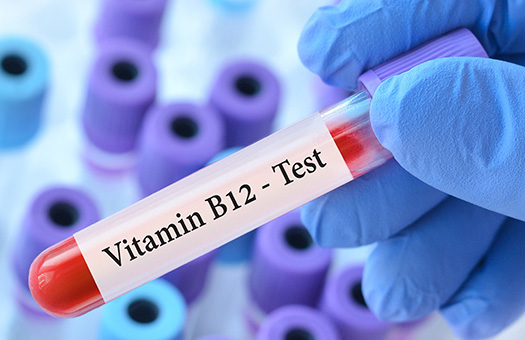
What Is Vitamin B12 Deficiency?

Vitamin B12 deficiency happens when there is a lack of vitamin B12 in your body. It is a very important nutrient that plays an important and essential role in red blood cell formation, brain related function, and DNA synthesis. If there is an insufficient vitamin B12 percentage in your body, then individuals may develop anemia, neurological related issues, and many more health complications which could be very dangerous in the long run. It is advised to get tested for vitamin B12 percentage in your body so that you can be aware and ahead of any disease.
What Is A Vitamin B12 Test?
A vitamin B12 test is a blood test used for diagnostics for measuring the levels of vitamin B12 present in the body. Since this vitamin is very important for many types of functions of your body, checking its levels helps in catching deficiencies early, which may lead to serious health problems. Many healthcare providers suggest taking a vitamin B12 blood test on a regular basis as a routine checkup or if a person is feeling symptoms of deficiency or is at high risk due to dietary restrictions or medical conditions.
What Is A Vitamin B12 Test Used For?
The Vitamin B12 Test Is Used To:
For convenience, many people opt for a vitamin B12 Test at home, where healthcare professionals collect blood samples from the comfort of their residence.
What Does A Vitamin B12 Test Measure?
A vitamin B12 blood test is very essential because it measures the levels of vitamin B12 in the blood, which is the very important vitamin present in your body. However, additional markers may be included for better diagnostic accuracy:
How Common Is Vitamin B12 Deficiency?
Vitamin B12 deficiency is very common, especially among:
Studies estimate that vitamin B12 deficiency affects approximately 6% to 20% of the population, with higher prevalence among specific risk groups.
Causes of Vitamin B12 Deficiency
Vitamin B12 deficiency can develop due to multiple reasons, including:
Symptoms Of Vitamin B12 Deficiency
The symptoms of vitamin B12 deficiency can be very light in early stage but may get worse by the time if it's left without treatment. Some of the most common signs include:
If you experience these symptoms, it’s essential to get tested by booking a Vitamin B12 Test to confirm deficiency and start necessary treatment.
What Does A Vitamin B12 Test Contain?
A vitamin B12 test involves the following steps:
Patients can also book a vitamin B12 Test online, making the process quick and hassle-free.
What Do The Results Mean?
The interpretation of a vitamin B12 blood test depends on the measured values:
For accurate results, it's advisable to consult a healthcare provider and, if needed, book a vitamin B12 test near me to ensure timely diagnosis and treatment.
How To Prevent Vitamin B12 Deficiency
If you experience symptoms of deficiency, consider booking a vitamin B12 Test at home for early diagnosis and treatment.
Common Causes Of Vitamin B12 Deficiency Include:
Book a Vitamin B12 Test
| City Name | Price (₹) | |
|---|---|---|
| Delhi - NCR | ₹400 | |
| Hyderabad | ₹445 | |
| Chandigarh | ₹500 | |
| Chennai | ₹600 | |
| Patna | ₹650 | |
| Kolkata | ₹699 | |
| Raipur | ₹699 | |
| Jammu | ₹699 | |
| Ranchi | ₹699 | |
| Bhopal | ₹699 | |
| Jaipur | ₹699 | |
| Lucknow | ₹699 | |
| Dehradun | ₹699 | |
| Mumbai | ₹699 | |
| Bangalore | ₹699 | |
| Gandhinagar | ₹699 | |
| Panaji | ₹699 | |
| Pondicherry | ₹699 | |
| Agartala | ₹899 | |
| Srinagar | ₹899 | |
| Thiruvananthapuram | ₹1100 | |
| Shimla | ₹1200 | |
| Dispur | ₹1200 | |
| Bhubaneswar | ₹1200 |
Frequently Asked Questions/FAQs
1. What is a vitamin B12 test?
A vitamin B12 Test is a blood test that measures the level of vitamin B12 in the body to diagnose deficiency and related health conditions.2. Why is the vitamin B12 test important?
It helps detect vitamin B12 deficiency, which can cause anemia, nerve damage, and cognitive issues if left untreated.3. Who should get a vitamin B12 test?
People experiencing fatigue, numbness, memory loss, or those at risk due to dietary restrictions, gastrointestinal disorders, or certain medications should get tested.4. How is the vitamin B12 test performed?
A small blood sample is drawn from a vein in your arm and analysed in a lab. Home collection services are also available for convenience.5. What is the normal range for a vitamin B12 test?
The vitamin B12 test normal range is typically 200 - 900 pg/mL. Levels below 200 pg/mL indicate deficiency, while values above 900 pg/mL may require further evaluation.6. What happens if vitamin B12 is low?
Low B12 levels can lead to anemia, nerve problems, weakness, depression, and cognitive decline. Early detection and treatment are crucial.7. How can I increase my vitamin B12 levels?
You can increase B12 levels by consuming animal-based foods, fortified cereals, or taking supplements as advised by a doctor.8. Does vitamin B12 deficiency affect pregnancy?
Yes, low B12 levels during pregnancy can increase the risk of birth defects and complications. Pregnant women should ensure adequate B12 intake.9. Can B12 deficiency cause hair loss?
Yes, B12 deficiency can contribute to hair thinning and hair loss due to poor red blood cell production and reduced oxygen supply to hair follicles.
Packages With Above Test
Name
Test Details
Price
WHOLE BODY PROFILE -3
Tests Included: 65
click for details
AUGMENTUM VITAMIN EXTENDED PROFILE
Tests Included: 93
click for details
D.G.D Premium Health Check Package
Tests Included: 76
click for details
Super Advance Full Body Checkup (Male)
Tests Included: 89
click for details
Executive Health checkup package (Male)
Tests Included: 73
click for details
ANEMIA PROFILE - ADVANCED
Tests Included: 90
click for details
TPL Health Checkup Advance (TPL Advance)
Tests Included: 81
click for details
PACKAGE - 3
Tests Included: 51
click for details
MHL PKJ: 3.0
Tests Included: 68
click for details
Wellwise Total
Tests Included: 51
click for details
Conclusion
Vitamin B12 is very important for maintaining overall well-being of your body like healthy nerve function, red blood cell production. A deficiency of vitamin B12 in your body can cause serious health issues that may include anemia, neurological disorders, and cognitive issues. The vitamin B12 test is a essential test to check your B12 levels and helps to prevent complications in advance so that you will stay healthy inside out. If you feel symptoms like fatigue, numbness, or memory issues, it is very important & recommended by healthcare providers to get tested time to time. You can easily book a vitamin B12 test online or choose a vitamin B12 test at home for easy sample collection and without any hassle of going out to any lab. Stay active and conscious about your health and compare vitamin B12 test charges, choose the right lab, and ensure you’re within the vitamin B12 test normal range for a healthier life.
Vitamin B12 Test Price in Different Cities