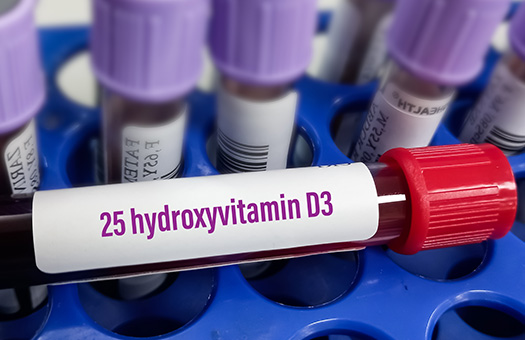
What is Vitamin D3 (25-Hydroxy) Test?

The vitamin D3 (25-Hydroxy) test is a blood test which evaluates the levels of vitamin D present in your body. This test is very important and is the most accurate way to analyse whether you have a sufficient level of vitamin D, which is important for maintaining strong bones, supporting strong immune function, and regulating accurate calcium levels in your body. Vitamin D is essential for many types of functions in your body, so many times doctors suggest this test for people feeling symptoms like bone pain, muscle weakness, or frequent infections because these could be the signs and symptoms of a lower vitamin D level in your body.
How Common Is Vitamin D3 (25-Hydroxy) Test?
The vitamin D3 test is one of the most frequently prescribed diagnostic tests worldwide. Due to modern indoor lifestyles and dietary limitations, vitamin D deficiency has become increasingly common, leading to a rise in the demand for this test. People who are at high risk of deficiency, such as those with limited sun exposure, darker skin, or specific medical conditions, are often advised to undergo a Vitamin D3 Test Near Me at a certified lab or book it online for home sample collection.
What Is Vitamin D3 (25-Hydroxy) Test Used For?
What Does Vitamin D3 (25-Hydroxy) Test Measure?
What Does Vitamin D3 (25-Hydroxy) Test Contain?
Understanding the vitamin D3 test charges, process, and results helps individuals take the necessary steps to maintain optimal vitamin D levels for better health
What Do the Results Mean?
The results of the vitamin D3 blood test are measured in nanograms per milliliter (ng/mL) and categorized as follows:
Low vitamin D levels can lead to weakened bones, muscle weakness, and increased risk of infections, while excess levels may cause calcium buildup in the body, leading to kidney issues.
Is Hydroxy Vitamin D the Same as D3?
The vitamin D3 blood test measures 25-hydroxyvitamin D, which includes both D2 and D3. While Vitamin D3 is the natural form produced by the body from sunlight, 25-hydroxyvitamin D is the form circulating in the blood, making it the most reliable indicator of Vitamin D status.Doctors use the 25 hydroxy vitamin D test to determine overall vitamin D levels, regardless of the source (food, supplements, or sunlight).
How To Increase Vitamin D Levels?
To increase vitamin D levels, the most effective method is sunlight exposure, as UV rays trigger vitamin D production in the skin. Spending 10-30 minutes outside in direct sunlight a few times a week can significantly boost your levels. Additionally, foods rich in vitamin D, such as fatty fish (salmon, mackerel), fortified dairy products, eggs, and mushrooms, can help. Vitamin D supplements are another option, especially for those with limited sun exposure or dietary restrictions. It's essential to consult with a healthcare provider to determine the best approach for your needs.
Book a Vitamin D3 Test
| City Name | Price (₹) | |
|---|---|---|
| Delhi - NCR | ₹600 | |
| Chennai | ₹600 | |
| Kolkata | ₹699 | |
| Hyderabad | ₹699 | |
| Patna | ₹699 | |
| Chandigarh | ₹699 | |
| Raipur | ₹699 | |
| Jammu | ₹699 | |
| Ranchi | ₹699 | |
| Bhopal | ₹699 | |
| Jaipur | ₹699 | |
| Lucknow | ₹699 | |
| Dehradun | ₹699 | |
| Mumbai | ₹699 | |
| Bangalore | ₹699 | |
| Gandhinagar | ₹699 | |
| Panaji | ₹699 | |
| Pondicherry | ₹699 | |
| Agartala | ₹999 | |
| Srinagar | ₹999 | |
| Shimla | ₹1200 | |
| Thiruvananthapuram | ₹1400 | |
| Dispur | ₹1600 | |
| Bhubaneswar | ₹1600 |
Frequently Asked Questions/FAQs
1. What is the vitamin D3 (25-Hydroxy) test?
The vitamin D3 (25-Hydroxy) test measures the levels of Vitamin D in your blood, including both vitamin D2 and D3, to assess your overall vitamin D status.2. Why should I take a vitamin D3 test?
This test helps detect vitamin D deficiency or insufficiency, monitor bone health, evaluate immune function, and assess the risk of chronic diseases like diabetes and cardiovascular conditions.3. What are the normal levels of vitamin D?
Normal levels of Vitamin D typically range from 20 to 50 ng/mL. Levels below 20 ng/mL may indicate deficiency, while levels above 100 ng/mL may suggest excess Vitamin D.4. How can I increase my vitamin D levels?
You can increase your vitamin D levels through sunlight exposure, eating vitamin D-rich foods like fatty fish and fortified products, or taking vitamin D supplements as recommended by your doctor.5. Can children take the vitamin D3 test?
Yes, children can also undergo the vitamin D3 (25-Hydroxy) test if there’s a concern about their vitamin D levels, particularly in cases of rickets or if they have limited sun exposure.6. Is the vitamin D3 test the same as the vitamin D2 test?
No, the vitamin D3 (25-Hydroxy) test measures both vitamin D2 and vitamin D3 in the blood, while the vitamin D2 test specifically measures only vitamin D2 levels.7. Can I get a vitamin D3 test if I’m pregnant?
Yes, pregnant women can have a vitamin D3 blood test to monitor their Vitamin D levels, which are important for both maternal and fetal bone health.8. What symptoms indicate I might need a vitamin D3 test?
Symptoms like bone pain, muscle weakness, fatigue, frequent infections, and low mood could indicate a Vitamin D deficiency and may warrant testing.
Packages With Above Test
Name
Test Details
Price
WHOLE BODY PROFILE -3
Tests Included: 65
click for details
AUGMENTUM VITAMIN EXTENDED PROFILE
Tests Included: 93
click for details
D.G.D Premium Health Check Package
Tests Included: 76
click for details
Super Advance Full Body Checkup (Male)
Tests Included: 89
click for details
Executive Health checkup package (Male)
Tests Included: 73
click for details
ANEMIA PROFILE - ADVANCED
Tests Included: 90
click for details
TPL Health Checkup Advance (TPL Advance)
Tests Included: 81
click for details
PACKAGE - 3
Tests Included: 51
click for details
MHL PKJ: 3.0
Tests Included: 68
click for details
Wellwise Total
Tests Included: 51
click for details
Conclusion
The vitamin D3 (25-hydroxy) test is a valuable tool for assessing your overall health, particularly bone health, immune function, and the risk of chronic diseases. Regular testing can help identify vitamin D deficiency or insufficiency early, allowing for timely intervention through lifestyle changes, diet, or supplements. Whether you're experiencing symptoms like bone pain or fatigue, or simply want to monitor your vitamin D levels, this test provides crucial insights. For those who prefer convenience, the vitamin D3 test at home is an excellent option. By staying on top of your vitamin D levels, you can ensure better health outcomes and prevent complications in the future. Remember to book your vitamin D3 test online or find a nearby lab to get started today.
Vitamin D3 Test Price in Different Cities