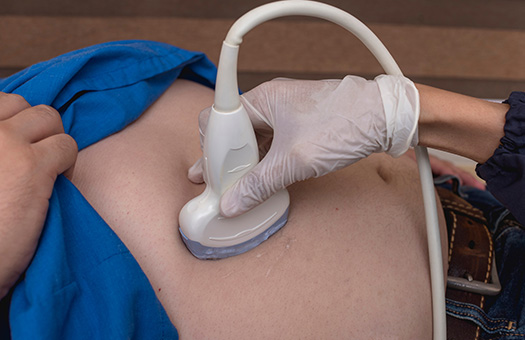
What Is An Ultrasound Whole Abdomen Test?

An ultrasound whole abdomen test is a useful imaging technique that uses sound waves in high frequency to produce images in real time of the internal organs located in the abdominal cavity. It's a most commonly used ultrasound test which helps check and monitor many types of medical conditions which apparently are related to the liver, gallbladder, kidneys, spleen, pancreas, and abdominal blood vessels.
Other Names for This Test:
What Is The Ultrasound Whole Abdomen Test Used For?
The Ultrasound Whole Abdomen Test is primarily used for detecting abnormalities in the abdominal organs. It plays a vital role in evaluating:
Why Take An Ultrasound Whole Abdomen Test?
The doctor may advised you to take an ultrasound of the whole abdomen test if you're experiencing the below symptoms:
This test is also often prescribed for individuals with a history of kidney disease, liver conditions, or gallstones. A whole abdomen scan for kidney disease can detect early changes in kidney size and structure, which is crucial for timely intervention.
What Does the Ultrasound Whole Abdomen Test Measure?
| PARAMETER | DETAILS |
|---|---|
| Liver | Size, fatty infiltration, cysts, tumors |
| Gallbladder | Stones, inflammation, wall thickening |
| Kidneys | Stones, cysts, hydronephrosis |
| Pancreas | Masses, enlargement, inflammation |
| Spleen | Enlargement, structural abnormalities |
| Aorta | Aneurysms, blockages |
| Bladder | Wall thickness, residual urine volume |
Interpretation of Ultrasound Whole Abdomen Test Results
{ "header": "ORGAN/AREA EXAMINED", "ORGAN/AREA EXAMINED": { "NORMAL FINDING": "NORMAL FINDING", "POSSIBLE ABNORMAL FINDING": "POSSIBLE ABNORMAL FINDING", "WHAT IT MAY INDICATE": "WHAT IT MAY INDICATE" }, "Liver": { "NORMAL FINDING": "Normal size, shape, and echotexture", "POSSIBLE ABNORMAL FINDING": "Enlarged liver, fatty changes, lesions, cysts", "WHAT IT MAY INDICATE": "Fatty liver, hepatitis, cirrhosis, liver tumor" }, "Gallbladder": { "NORMAL FINDING": "Thin wall, no stones, normal bile flow", "POSSIBLE ABNORMAL FINDING": "Stones, sludge, thickened wall", "WHAT IT MAY INDICATE": "Gallbladder stones, cholecystitis, bile duct obstruction" }, "Kidneys": { "NORMAL FINDING": "Normal size, shape, no stones or cysts", "POSSIBLE ABNORMAL FINDING": "Stones, hydronephrosis, cysts, shrunken kidneys", "WHAT IT MAY INDICATE": "Kidney stones, chronic kidney disease, infection" }, "Pancreas": { "NORMAL FINDING": "Normal size and contour", "POSSIBLE ABNORMAL FINDING": "Swelling, cysts, abnormal echotexture", "WHAT IT MAY INDICATE": "Pancreatitis, cysts, tumors" }, "Spleen": { "NORMAL FINDING": "Normal size and echotexture", "POSSIBLE ABNORMAL FINDING": "Enlarged spleen (splenomegaly), lesions", "WHAT IT MAY INDICATE": "Infection, liver disease, blood disorders" }, "Urinary Bladder": { "NORMAL FINDING": "Normal shape and volume (when full)", "POSSIBLE ABNORMAL FINDING": "Thickened wall, retained urine, stones", "WHAT IT MAY INDICATE": "Urinary tract infection, obstruction, bladder stones" }, "Abdominal Aorta": { "NORMAL FINDING": "Normal diameter and flow", "POSSIBLE ABNORMAL FINDING": "Dilatation, aneurysm", "WHAT IT MAY INDICATE": "Abdominal aortic aneurysm" }, "Free Fluid": { "NORMAL FINDING": "No free fluid in the abdominal cavity", "POSSIBLE ABNORMAL FINDING": "Presence of free fluid (ascites)", "WHAT IT MAY INDICATE": "Liver disease, infection, internal bleeding" } }
| PARAMETER | DETAILS |
|---|---|
| Liver | Size, fatty infiltration, cysts, tumors |
| Gallbladder | Stones, inflammation, wall thickening |
| Kidneys | Stones, cysts, hydronephrosis |
| Pancreas | Masses, enlargement, inflammation |
| Spleen | Enlargement, structural abnormalities |
| Aorta | Aneurysms, blockages |
| Bladder | Wall thickness, residual urine volume |
Who Should Get An Ultrasound Whole Abdomen For Gallbladder Stones Or Other Issues?
This ultrasound test is frequently recommended if your doctor suspects gallstones, liver disease, or kidney disease. It is a highly recommended diagnostic tool for:
Searching for "ultrasound whole abdomen near me" can help you find accessible diagnostic centers. Make sure to choose a trusted healthcare platform that offers certified labs and radiologists.
Procedure of Ultrasound Whole Abdomen Test
The whole abdomen ultrasound procedure is a quick, non-invasive scan that usually takes 20–30 minutes and is performed on an outpatient basis. It helps visualize key abdominal organs like the liver, gallbladder, kidneys, pancreas, and spleen using high-frequency sound waves.
Benefits Of Whole Abdomen Scan For Kidney Disease And Other Conditions
A whole abdomen scan for kidney disease offers a non-invasive and detailed view of the kidneys, helpingdetect conditions like kidney stones, cysts, infections, or signs of chronic kidney disease early on. It alsoallows for the evaluation of surrounding organs such as the liver, gallbladder, spleen, and pancreas,making it a powerful diagnostic tool for a wide range of abdominal issues. One of the major advantagesof this scan is that it provides real-time imaging without using any radiation, making it safe for regularhealth monitoring. Patients experiencing unexplained abdominal pain, bloating, urinary issues, orsuspected gallbladder problems often undergo an ultrasound whole abdomen for gallbladder stones orliver checkup as part of a comprehensive evaluation. By detecting abnormalities early, the scan supportstimely diagnosis and treatment, reducing the risk of complications. Easy access through ultrasoundwhole abdomen near me searches and whole abdomen ultrasound online booking platforms has madethis test more convenient and widely available for preventive care.
Risks Associated with Ultrasound Whole Abdomen Test
There are no known risks associated with the ultrasound whole abdomen test. It is considered one of the safest imaging modalities and is commonly used for people of all age groups, including pregnant women. Unlike CT scans or X-rays, this test does not use any ionizing radiation.
Book a Ultrasound Whole Abdomen Test
| City Name | Price (₹) | |
|---|---|---|
| Delhi - NCR | ₹700 | |
| Jaipur | ₹1000 | |
| Dehradun | ₹1300 | |
| Kolkata | ₹1500 | |
| Chennai | ₹1500 | |
| Hyderabad | ₹1500 | |
| Mumbai | ₹1500 | |
| Bangalore | ₹1500 | |
| Gandhinagar | ₹1500 | |
| Thiruvananthapuram | ₹1500 | |
| Patna | ₹2000 | |
| Chandigarh | ₹2000 | |
| Raipur | ₹2000 | |
| Ranchi | ₹2000 | |
| Lucknow | ₹2000 | |
| Agartala | ₹2000 | |
| Pondicherry | ₹2000 |
Frequently Asked Questions (FAQs)
1. What is an Ultrasound Whole Abdomen Test?
An ultrasound whole abdomen test is a non-invasive imaging procedure that uses sound waves to create real-time images of abdominal organs such as the liver, gallbladder, pancreas, kidneys, and spleen. It helps in detecting abnormalities, infections, stones, or tumors in the abdomen.2. Why is an Ultrasound Whole Abdomen Test recommended?
This test is often recommended if you have symptoms like abdominal pain, bloating, frequent urination, unexplained weight loss, or suspected gallbladder stones. It’s also commonly used for routine liver checkups or to assess kidney health.3. How long does the ultrasound test take?
The ultrasound test generally takes between 20 to 30 minutes. It’s a quick and painless outpatient procedure.4. Can the scan detect kidney disease?
Absolutely. A whole abdomen scan for kidney disease helps identify kidney stones, cysts, infections, and structural issues. It is an effective tool for monitoring kidney function and catching early signs of kidney-related disorders.5. Is there any preparation needed before the scan?
Yes, fasting for 6 to 8 hours is usually required. This helps reduce gas and improves image clarity. In some cases, like pelvic organ evaluation, you may be asked to drink water and avoid urinating before the test.6. Do I need a doctor’s prescription for this test?
In most cases, yes. A doctor’s referral helps ensure that the test is appropriate for your symptoms. However, some diagnostic platforms may allow direct booking without a referral, especially for preventive health checkups.7. What if abnormalities are found in the scan?
If any abnormalities are detected, your radiologist will mention them in the report. Your doctor will then guide you on the next steps, which may include further tests or treatments, depending on the findings.8. Can children or elderly patients undergo a whole abdomen ultrasound?
Yes, the procedure is safe for people of all age groups, including children, the elderly, and even pregnant women. It involves no radiation and does not require any recovery time.
Conclusion
The ultrasound whole abdomen test is a safe, painless, and effective diagnostic tool that offers detailed imaging of major abdominal organs including the liver, gallbladder, kidneys, pancreas, and spleen. Whether you're experiencing symptoms like abdominal pain or bloating, or simply need a routine liver checkup or whole abdomen scan for kidney disease, this test can provide critical insights without the use of harmful radiation. Thanks to digital healthcare platforms, accessing services is now easier than ever—just search for ultrasound whole abdomen near me or opt for whole abdomen ultrasound online booking to schedule your test at your convenience. From detecting gallbladder stones to monitoring chronic conditions, this scan plays a key role in preventive health management. If you’re looking for a reliable and affordable way to get your ultrasound test done, consider booking through a trusted platform that lets you compare labs based on location, price, and user ratings. Prioritize your health today with a comprehensive whole abdomen ultrasound procedure that gives you clarity and peace of mind.